Where a casino sign-up bonus leaves an Australian reader in 2026
 Available in US
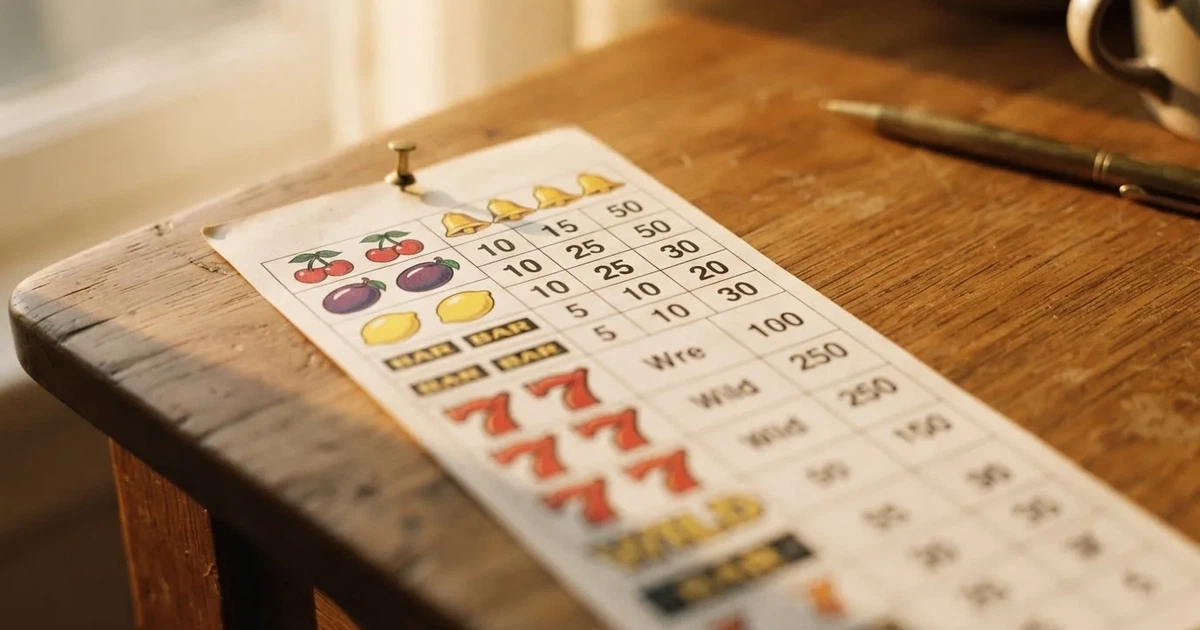
An Australian reader typing “best casino sign up bonus” lands on a topic the law, since 2001, makes impossible. The Interactive Gambling Act 2001 prohibits the supply of online casino games — the slots, the live dealer tables, the dice, the online pokies — to anyone physically in the country, regardless of where the operator holds a licence. The “best” in the search is therefore not a list the law will let anyone hand over. What follows is the next best thing a reader can actually use: the law that creates the gap, the regulator’s enforcement record against the brands that filled it anyway, the costs those offers extract from the player, and the lawful alternatives the same reader can reach today.

Current as of 23 September 2026, against the ACMA’s published list of formal warnings and the register of blocked websites as of June 2026.
Table of Contents
- The prohibition that makes a “best” list impossible
- Player wellbeing when the regulator can’t reach the operator
- Blockchain and the offshore cashier
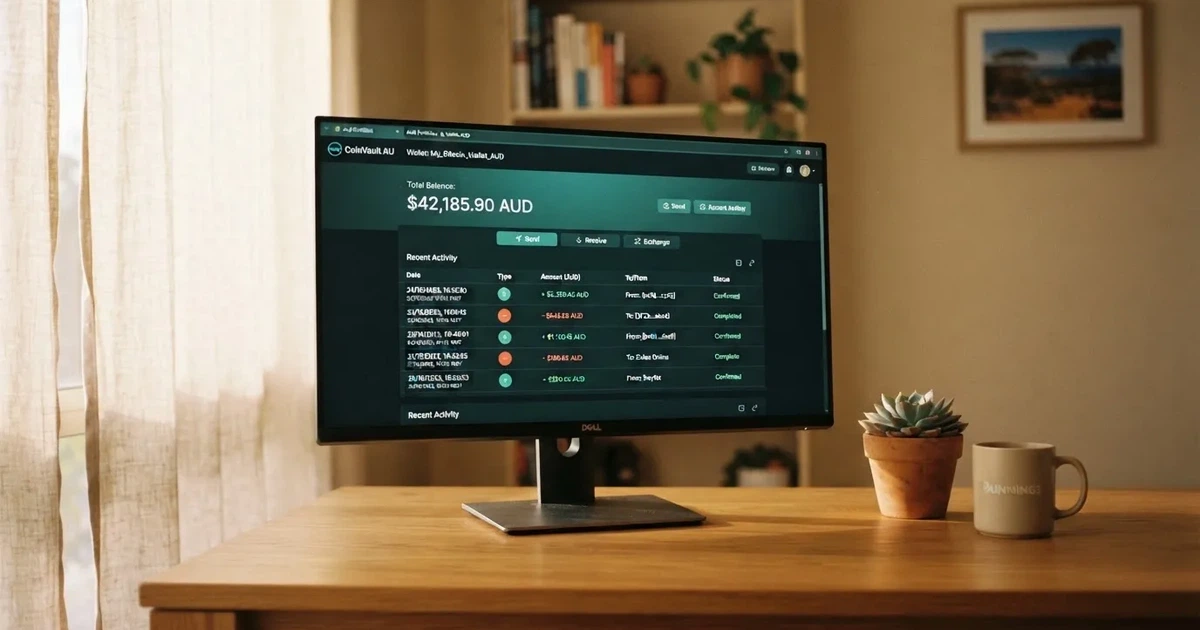
- Settlement: how money actually moves
- Inducements and turnover: what a sign-up bonus actually asks
- The mechanics of the ACMA record: what the formal warnings say
- The shortlist of brands the ACMA has acted against
- The landscape an Australian reader actually faces
- Frequently asked questions
The prohibition that makes a “best” list impossible
The Interactive Gambling Act 2001 does not name the casino sign-up bonus in its offence clauses. It names the prohibited interactive gambling service — online casino games, online pokies, in-play betting — and lets the regulator proceed against whoever provides one to a person in Australia, with or without a welcome bonus attached. The bonus is the marketing; the offence is the game underneath it.
The Interactive Gambling Act 2001, in plain English
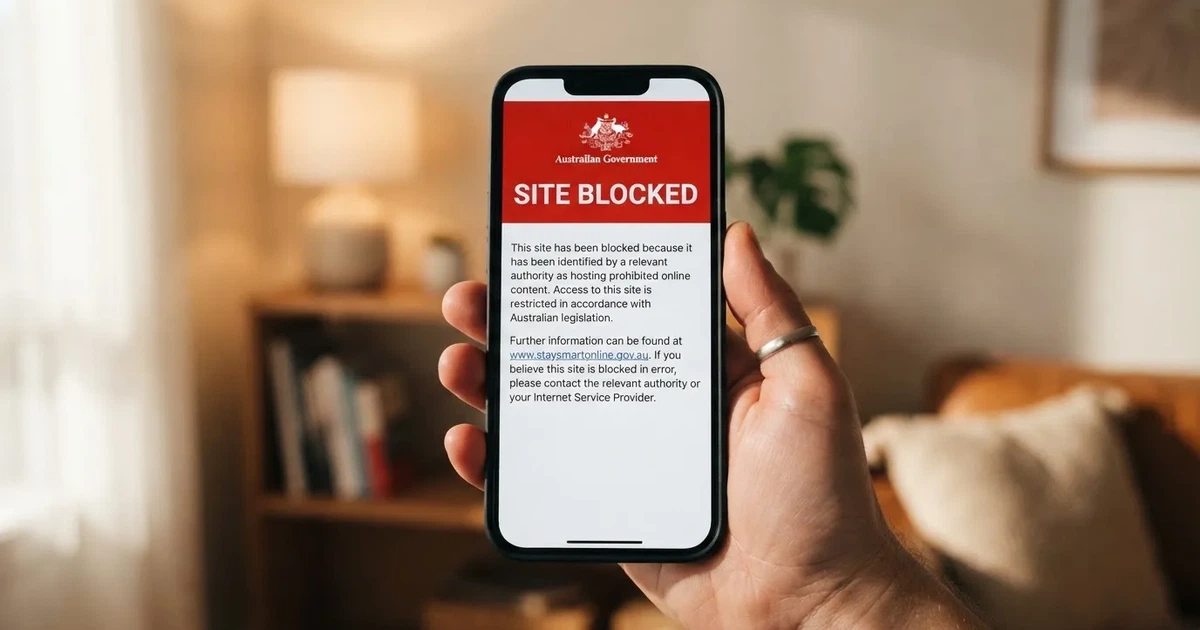
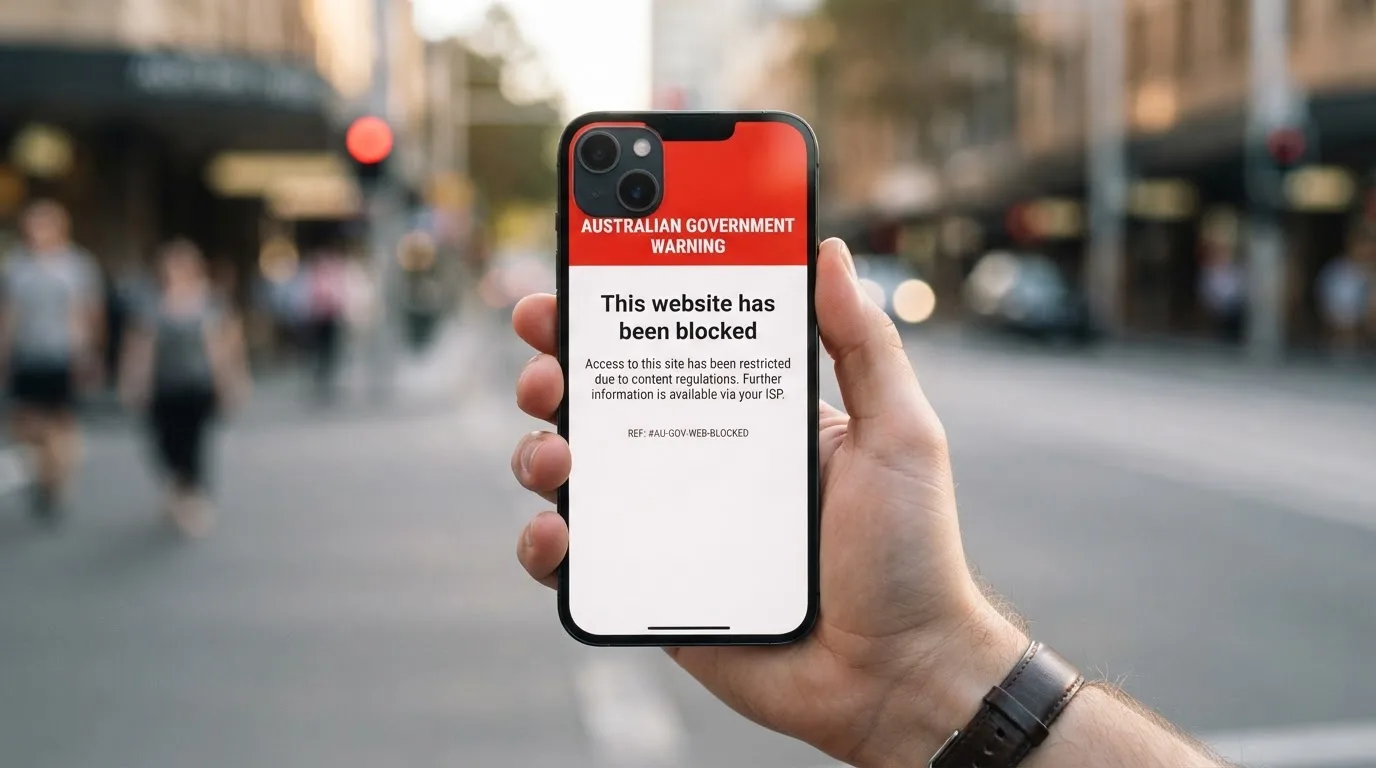
Two layers of the regime matter to a reader in 2026. The 2001 Act, as it stood for its first sixteen years, gave the Australian Communications and Media Authority (ACMA) the power to investigate and issue formal warnings but no clear mechanism to compel internet service providers to act. The Interactive Gambling Amendment Act 2017 added the second layer: ACMA may now direct an ISP to block a site, and the ISP must comply. The amendment took effect on 11 September 2017 for the first tranche of measures and in stages thereafter.
A third layer landed on 11 June 2024. From that date, no Australian-licensed online or phone wagering service may accept payment by credit card or other credit-related product. Crypto was already outside the licensed cashier; the 2024 ban closed the credit-card gap that had let licensed wagering use a card product that functioned as one. The legal cashier from June 2024 is debit card, bank transfer, PayID, Osko and BPAY. Everything else is the offshore side.

A fourth layer passed Parliament on 19 August 2026 and commences on 1 January 2027. The Interactive Gambling Amendment (Gambling Reform) Bill 2026 tightens advertising and inducement rules around wagering services. It is law on the page with a start date; it does not yet bind an operator in 2026. A 2026 reader looking at the marketing for an offer is reading the marketing as it stands under the rules that are in force today, not the rules that take effect at the new year.
Six and a half years of blocks, expressed as a rate
The arithmetic on the regulator’s record is the blocking rate. The ACMA’s published record, as reported on 26 June 2026, lists 1,751 illegal gambling and affiliate-marketing websites blocked since the first blocking request in November 2019. That is roughly six years and seven months of operation, or 79 months between November 2019 and June 2026. The bands follow:
- about 22 sites a month, on average, since November 2019 (1,751 ÷ 79)
- about 266 sites a year, on average, over the same period (1,751 ÷ 6.58)
Both numbers describe the sites the regulator has actively moved against, not the pool of unlicensed sites a person in Australia can reach. The mirror and clone domains that resurface after a block, the affiliate pages that have not crossed ACMA’s threshold, and the sites never referred for enforcement — none sit inside the 1,751. The figure is the floor of the gap, not the ceiling.
The latest round, also dated 26 June 2026, added twelve more names: 7Signs, ChromaBet, Donbet, Duospin, Freshbet, Slots Gem, Jacks Club, Lucky Start, Pointsbetz, Spinrise, Vinyl Casino and Wildsino. A round of twelve is a quiet week at the regulator. The arithmetic of 22 a month expects weeks like that and slower ones, and the occasional larger batch when a single operator’s brand portfolio comes up for review.
The condition on the band is the one every rate carries: it is the rate over the period, not a forecast of the next period. Months with a single batch of twelve, like the June 2026 round, are the months the figure averages out to. Some months are larger, some smaller, some are not reported at all. The 22-a-month figure is what the regulator has actually done, not what it has promised.
What the Northern Territory licences — and what it does not
A reader who reads “licensed” on an offshore casino’s footer usually does not hear where. In Australia the answer matters. No state or territory issues a licence for online casino games or online pokies. What the Northern Territory Racing and Wagering Commission does licence — fifty-two online bookmakers at last count, including Sportsbet, Bet365 and Ladbrokes — is wagering on races and sport, placed before the event. The commission has no full-time staff; it meets once a month in Darwin. That is the body an offshore operator’s “Curaçao-licensed, available worldwide” line is talking past.
The point is not that the Northern Territory regulator is weak; it is that its licence covers a different product. The Act distinguishes between wagering on a race or a sporting event before the event, and the supply of a casino game. The offshore brand’s footer collapses the distinction; the law does not. A reader who treats “licensed in Curaçao” as the same shape of word as “licensed in the Northern Territory” is reading two different licences as one.
The Northern Territory commission’s licence base is small and the products are narrow. The reader who bets on the Melbourne Cup on a Saturday is on the licensed side. The reader who plays an online slot on a Sunday night is on the side the commission has never licensed.
Why the marketing keeps going anyway
The bonus word is doing real work, and not the kind a player would choose. Three things make the offer cheap to ship and expensive to ignore. First, the audience is reachable: an Australian IP address is enough to put a sign-up bonus in front of a person the Act was written to protect. Second, the marketing site lives on a domain the regulator must chase one at a time. Third, the block takes a week or two to land and the clone domain takes hours to spin up. The arithmetic of this is the arithmetic above: about 22 sites a month, blocked.
The fourth thing is the one the marketing prefers to keep quiet: the player who reads the bonus terms, takes the deposit match, plays through the wagering requirement and walks away with a withdrawal in their account, on the offshore side, has had a balance on a site the regulator cannot reach. If the cashier later refuses the withdrawal, or the site goes quiet, or the operator rebrands, that balance is part of a count the ACMA cannot recover.
H2 Gambling Capital’s 2025 estimate is that Australians lose about A$3.9 billion a year to illegal gambling sites, and that the share of gambling going through legal channels fell from 74 per cent in 2021 to 64 per cent. The legal-channel share is the larger half, and it has been shrinking. The marketing fills the gap the legal share is leaving behind, and the blocklist runs at the rate the gap requires.
Player wellbeing when the regulator can’t reach the operator
A welcome bonus is sold as a benefit. The costs of an offer the regulator cannot reach fall in three places: a self-exclusion register that does not bind the offshore side, a bank-side block that may bind the deposit but not the wallet, and a help line that is the only body available regardless of which side a player is on.

BetStop and the limit of national self-exclusion
BetStop — the National Self-Exclusion Register — went live on 21 August 2023. A player registers once, picks a minimum exclusion period of three months and a maximum permanent, and every Australian-licensed online and phone wagering service is required to refuse their account and not let them open a new one while the registration stands.
The word that limits it is licensed. An offshore casino is not connected to BetStop. The registration does not stop a withdrawal attempt at two in the morning from a Curaçao-licensed cashier; it does not freeze a balance already on an offshore account; and it does not give the regulator power to claw back a deposit that was successfully placed. The protection is real on the side it covers and absent on the side the ACMA spends its month warning against.
A player who has registered with BetStop and is still being shown a sign-up bonus is being shown it by an offshore operator. The bonus is not the failure; the absence of a binding exclusion on that side is. The architecture treats the licensed and the offshore worlds as separate, and the architecture is right about that.
Bank-side gambling blocks
Three of the four major Australian banks now let a cardholder block gambling transactions at the merchant-category-code level. The architecture is the same across the three: a toggle in the bank’s app, a refusal of authorisation on transactions tagged under the “Betting/Casino Gambling” code, and a caveat that not every gambling transaction will be caught and a small number of non-gambling transactions may be refused in error.
Westpac’s gambling block works at card level and refuses authorisation on transactions registered under that merchant code on eligible personal credit and debit cards. ANZ’s block is activated in the ANZ app, blocks gambling transactions through a digital wallet such as Apple Pay on an eligible card — not just the physical card — and requires a 48-hour waiting period before it can be removed. Commonwealth Bank’s gambling lock, applied through the CommBank app, blocks most gambling transactions automatically, with the same caveat the others carry.
The shared shape is what matters. A merchant-category block is set-and-forget; the 48-hour cooling-off on removal is the bit that turns a setting into a safeguard. It also reaches the licensed side and a chunk of the offshore side — Westpac, for example, will decline a deposit at the cashier of a Curaçao-licensed brand if the merchant code resolves correctly. The bits it does not reach are the ones a player would most want caught: crypto on/off-ramps, prepaid vouchers, and the e-wallets an operator accepts in lieu of a card.
The architecture has the limits of any merchant-category rule. A casino that codes itself as “e-commerce” rather than “Betting/Casino Gambling” sails past the block; the bank that catches the miscode does so after the customer complains. The safeguard is not a fence; it is a gate. A gate catches what comes through the gate. The rest goes around.
Where help actually answers
The National Gambling Helpline is 1800 858 858 — free, 24 hours a day, with chat at Gambling Help Online. The line is run by the state and territory organisations funded under the National Gambling Treatment Framework; it is independent of which side of the IGA a player is on. That is the only point on this page where a reader in trouble does not have to check first whether the help is jurisdictionally available. It is.
The related point is what the help is not. The line is not a complaint channel for an unpaid balance on an offshore casino. The body that recovers a withdrawal that is held back is, on the licensed side, the state regulator; on the offshore side, it is whatever dispute mechanism the operator has chosen to put in its terms — which is often nothing. A player who rings the helpline about an unpaid balance is ringing the right people for the wrong outcome; the people who can help are the people who cannot pay the balance back.
Blockchain and the offshore cashier
The Australian-licensed wagering side has not accepted crypto as a deposit method for years, because it was never in the licensed cashier to begin with. Blockchain rails are the offshore cashier’s working infrastructure. The question is what that buys the player.

What the IGA reaches, and what it does not
The Act targets the provider of a prohibited interactive gambling service to a person in Australia. It does not reach the payment rail underneath the service in the same way — the offence is supplying the game, not supplying the wallet. That is why a crypto deposit at an offshore cashier is the route the regulator feels most behind on: the blocklist catches a domain, not a wallet address, and the wallet survives the block. The same is true in reverse: a withdrawal back to the player’s wallet is not in the regulator’s reach either.
The asymmetry is structural. An Australian IP can be geofenced at the domain level by the operator; an Australian wallet address cannot. A player who has deposited from a self-custody wallet and lost the deposit has lost it through a rail the regulator cannot follow.
What “no KYC” actually costs
The marketing word for this is “no verification” — same word, different grammar, different consequence. An Australian-licensed wagering service is required to verify identity under anti-money-laundering law. An offshore cashier that markets itself as “no KYC” skips the verification the licensed side does and, in the same gesture, skips the audit trail a player would otherwise have. The cost lands in two places.
First, when the cashier refuses a withdrawal, the player has no regulator to complain to. The licensed side has the state body; the offshore side has the operator’s own terms, which is the body that just refused the withdrawal. The complaint mechanism the player thought they had is the same body the player is complaining about.
Second, when a balance is left on an account after a block — and it can be, because the ACMA’s block instruction goes to ISPs, not to the cashier — there is no procedure for return. The wallet address is one-way. The crypto on it is the player’s only evidence the balance existed; the regulator has no power to claw it back.
The thing the marketing does not say out loud is the bit that does the work: the absence of KYC is the absence of recourse. They are the same absence. A reader who values one has to value the other. The bonus arrives faster because the verification is missing; the withdrawal lands later because the verification was missing. The trade is not a trade — it is the same word on each side of the ledger.
Settlement: how money actually moves
The licensed cashier is the boring part of an Australian gambling story and the part that matters most to it. What is paid in, how fast it lands, what the route costs in fees, what the route refuses to carry — these are the mechanics a reader who has not seen a sign-up bonus before has to understand first, because the offshore cashier is built from these rails’ absence.
What licensed wagering can take
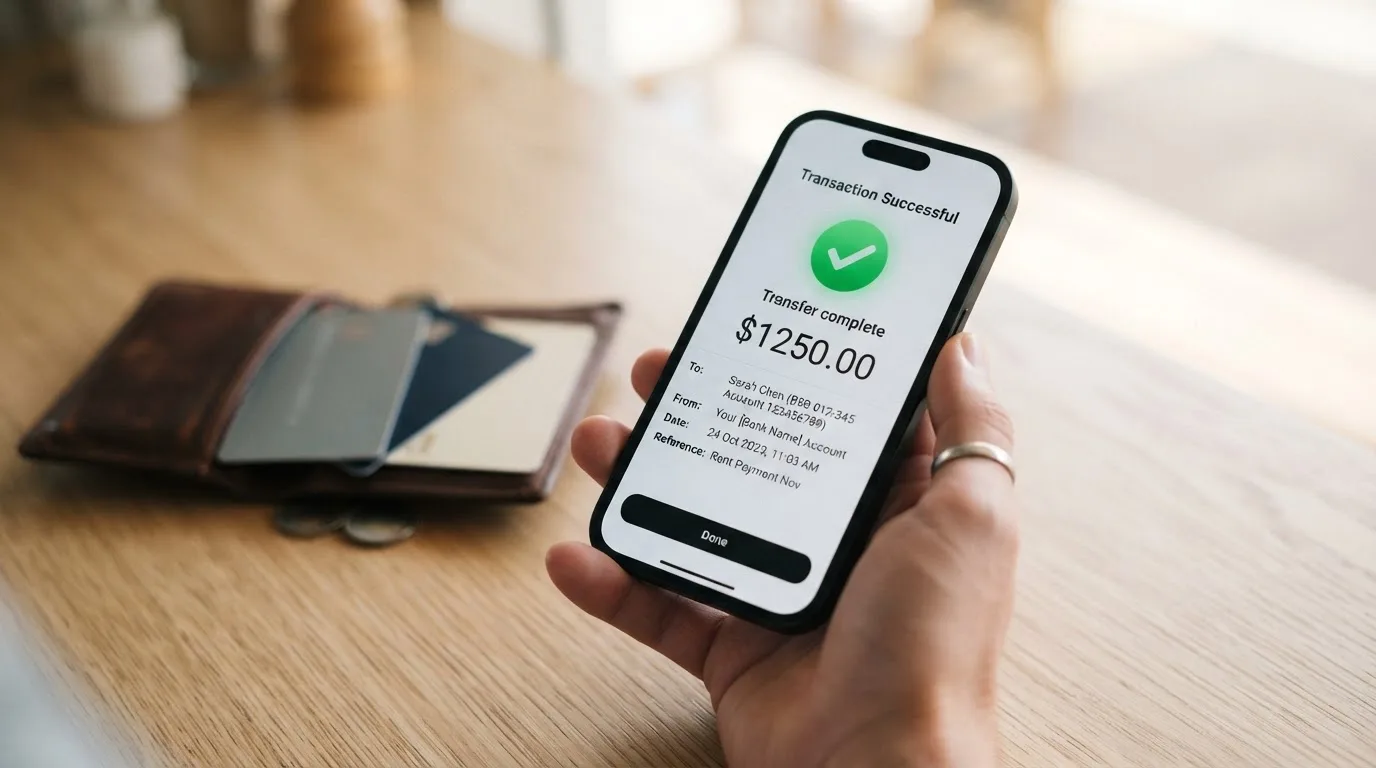
The legal cashier for Australian-licensed online and phone wagering, since 11 June 2024, is debit card, bank transfer, PayID, Osko and BPAY. Credit cards and credit-related products are out. Crypto is out. Anything described as a digital wallet that links to a credit product is, in practice, out.
The 2024 ban is not a gesture. Penalties for accepting a banned payment run up to A$247,500 for the operator. A licensed bookmaker that lets a player fund an account with a credit card is not making a paperwork mistake; it is committing the offence the 2024 amendment created. The size of the penalty is the size of the regulator’s seriousness about the rule.
PayID and Osko: the sixty-second settlement
Osko is the instant-transfer service that sits on the New Payments Platform. With Osko, a bank transfer between participating Australian banks arrives in under a minute, 24 hours a day including weekends, whether it is addressed to a BSB and account number or to a PayID. That is faster than the standard next-business-day direct entry, by a margin that turns a Friday-night deposit into a Saturday-morning bet.
PayID is the addressing layer. There were more than 25 million PayID identifiers registered on the platform as of April 2025, and PayID-based instant transfers are available at over 100 Australian financial institutions. A reader who has set up a PayID with their bank — email, phone number or ABN — can be paid or pay by it without anyone having to type a BSB and account number across.
The platform itself is not a regulator’s pet project. It became publicly accessible on 13 February 2018 and is owned by New Payments Platform Australia Ltd, a non-profit company whose thirteen shareholders include the Reserve Bank of Australia and the country’s major banks. Participants must keep the platform’s monthly outages to no more than two minutes, and in 2021 the ACCC authorised the merger of NPP Australia with BPAY and eftpos into a single company, Australian Payments Plus. The rails are the same rails for the legal wagering cashier as for any other instant transfer in the country.
Paying to a PayID shows the name of the account holder before the transfer is sent. Australian Payments Plus warns that being asked to transfer money to a PayID on an illegal gambling site almost certainly means a scam site. That is the consumer-protection pin the licensed wagering side gets for free, and the bit an offshore cashier cannot offer — the verification that the money is going to the person the player thinks it is going to, surfaced before the funds leave the account.
The credit-card ban and the digital-wallet knock-on
The June 2024 ban on credit cards for licensed wagering has a knock-on for digital wallets. Apple Pay, Google Pay and Samsung Pay collectively accounted for around 45 per cent of all card payments in Australia by number by the end of 2025. When the underlying card is a credit card, the wallet follows the ban; when the underlying card is a debit card, the wallet is in.
That is not the same thing as a digital-wallet ban. ANZ’s gambling block, for instance, blocks gambling transactions through Apple Pay on an eligible card, not just on the physical card. Westpac blocks at card level, which means the wallet route inherits the block when it is on the same card. The block travels with the funding source, not with the wallet. Apple itself states that transaction limits and PIN requirements for Apple Pay purchases are set by the card issuer or merchant, not by Apple, and that Apple does not charge fees to consumers for using Apple Pay — any surcharge is the merchant’s own card-processing cost. The wallet is plumbing. The block is at the card.
The Reserve Bank of Australia’s July 2025 review proposes removing surcharges only on eftpos, Mastercard and Visa card transactions, explicitly leaving American Express outside the scope of the proposed surcharge ban. Amex operates as a three-party scheme rather than a four-party network, which is part of why it sits outside the same rule. The practical effect for a punter is that the surcharging rules are written around the dominant networks; Amex carries its own cost, and the licensed cashier that accepts it surfaces that cost in the deposit page.
AUSTRAC’s threshold and what it does not do
AUSTRAC’s threshold-transaction-report rule requires reporting of transfers of A$10,000 or more, but the threshold applies to physical cash only. An ordinary electronic bank transfer is not subject to that per-transaction reporting requirement, regardless of the amount sent. A reader who assumes a large transfer will trigger a regulator’s eye on its own is wrong; the reporting chain runs through the bank, not through AUSTRAC’s per-transaction threshold.
The rule a reader actually needs to know is the licensed cashier’s identity verification, not AUSTRAC’s threshold. KYC at the cashier is where a large transfer is examined. Skip the cashier — go to crypto, prepaid, e-wallet outside the licensed system — and the threshold is not the safeguard.
BPAY, the slower rail
BPAY has been in Australian online banking since 1997. It is available in the online banking of over 140 banks and financial institutions and is offered by over 95,000 businesses; it is run by Australian Payments Plus. A payer enters a Biller Code and a Customer Reference Number printed on the bill, and the funds arrive, by design, on the next business day. BPAY is jointly owned, via Cardlink Services Limited, by Australia’s four major banks — ANZ, Commonwealth Bank, National Australia Bank and Westpac — in equal shares.
BPAY is the rail a reader meets on the licensed side when an instant transfer is not required — the lottery, the TAB, the licensed bookmaker that has set up a BPAY biller code. It is not the rail for a Friday-night punt; it is the rail for a Tuesday-morning deposit. Its speed is the cost of being a near-universal rail across Australian banks. The slowness is the trade-off for the breadth.
| Payment Method | Settlement Time | Availability |
|---|---|---|
| Osko | Under 1 minute | 24/7 |
| BPAY | Next business day | High |
| Debit Card | Instant | High |
| Payment Method | Settlement Time | Availability |
|---|---|---|
| Osko | Under 1 minute | 24/7 |
| BPAY | Next business day | High |
| Debit Card | Instant | High |
Inducements and turnover: what a sign-up bonus actually asks
The word that opens an offshore offer is “free” or “bonus.” The clauses behind it are turnover, max bet, max cashout and a countdown. Each is a number; together they are the cost a player pays, in time and in expected loss, for accepting the offer.

The shape of a “best” offer
A sign-up bonus is, at base, a deposit match plus a number of free spins. The match is the headline — a percentage up to a ceiling — and the turnover requirement is the actual price. A wagering requirement is a multiple of the bonus the player must place in qualifying bets before the bonus balance can be withdrawn.
The structure is not a gift. It is a credit against future play, paid back only if the player keeps playing long enough to cycle through the requirement. The “free” in the headline is the part the marketing chooses to feature. The turnover is the part the player pays.
No specific Australian offer can be quoted here because the only sources for these terms were affiliate marketing pages, and those are not sources the page relies on. What the page can quote is the structure: a deposit match, a multiple, a time limit and a max-bet cap. The shape is uniform enough across the market that any specific number would be a sample of the whole. The uniformity is the problem.
Turnover and the house edge
The math behind a wagering requirement is the math of compounding house edge. Each qualifying bet pays out, on average, at the game’s return-to-player rate. If a game returns 96 per cent, the house edge is 4 per cent; every qualifying bet, on average over many spins, costs the player that fraction of the stake. To clear a turnover at a 4 per cent edge, the expected cost is roughly four per cent of the turnover — independent of whether the player ever wins the underlying game.
Two things follow. First, the expected loss is set by the turnover and the edge, not by the size of the bonus. A larger bonus with the same multiple is a larger expected loss; the multiple is the multiplier on the player’s cost, the bonus is the base. Second, a higher-RTP game reduces the expected loss; a max-bet cap forces the player to play at a stake the operator wants them to play at, often excluding the lower-edge games. The cap is not a player protection; it is a product steer.
The marketing word “free” is paid for by the house edge. Every spin on the way to clearing the turnover is paying the operator’s percentage. The bonus is the bait; the edge is the trap. The trap is on the page in the terms; the bait is on the page in the headline. The reader who reads both reads the offer as it is.
Max cashout and the cap that bites
A max-cashout clause caps how much of a bonus balance a player can withdraw after clearing the requirement. A multiple of the bonus as the maximum withdrawable from the bonus means anything above the cap is forfeit, regardless of what the bonus balance actually grew to during play.
The cap turns a winning streak into a forfeit. The player who clears the requirement with a balance above the cap withdraws only the cap; everything above it is the operator’s. The marketing never announces this clause in the headline; the marketing announces the bonus. The cap is the part a player pays for the bonus.
The blocking rate, in plain words
The arithmetic this section is built on is the blocking rate: 1,751 sites blocked since November 2019, against roughly 79 months, or roughly 22 sites a month, or 266 a year. That is the rate the ACMA’s enforcement has run at since the 2017 amendment gave it the power.
The condition on the band is the same one every rate carries: it is the rate over the period, not a forecast of the next period. Months with a single batch of twelve, like the June 2026 round that brought 7Signs, ChromaBet, Donbet, Duospin, Freshbet, Slots Gem, Jacks Club, Lucky Start, Pointsbetz, Spinrise, Vinyl Casino and Wildsino, are the months the figure averages out to. Some months are bigger, some smaller, some are not reported at all. The 22-a-month figure is what the regulator has actually done, not what it has promised.
The figure carries a quiet corollary: roughly 13 names are added each month that nobody outside the regulator’s office ever sees again, and roughly 9 are added that the marketing pushes back from under a new domain. The blocklist runs at the rate the gap requires. The gap is the offer the bonus fills.
What an honest reading of the offer looks like
The honest reading is that the offer is a credit, paid back through play, on a site the regulator cannot reach. The expected cost is set by the turnover and the edge. The cap on winnings turns luck above a threshold into forfeit. The deposit match does not change the math; it changes the number of spins the player has to make before the math catches up.
A reader who treats the offer as a free chance at a real payout is misreading the offer. A reader who treats it as a discount on play that the operator is willing to give in exchange for the player’s time and the deposit is reading it correctly. The difference between the two is the difference between the marketing and the arithmetic.
The mechanics of the ACMA record: what the formal warnings say
The table below lists the eleven brands the ACMA has acted against, the formal warning and its date, the operator the ACMA named in that warning, and what third-party listings report about each brand’s payment and feature support. The subject-support column reflects what listings report; it is not an affirmation that an operator does or does not accept a method.
| Brand | ACMA action and date | Operator named by the ACMA | Subject support |
|---|---|---|---|
| RocketPlay | Formal warning, March 2026; earlier May 2022 | Pulsup Ltd (March 2026); Dama N.V. (May 2022) | Gambling Insider lists the brand in coverage of payment methods |
| Level Up Casino | Formal warning, May 2022 | Dama N.V. | Westpac’s merchant block list references the brand |
| Woo Casino | Formal warning, March 2025 | Dama N.V. | No data |
| Spirit Casino | Formal warning, May 2025 | Dama N.V. | No data |
| National Casino | Formal warning, July 2025 | Consolutetish S.R.L. | ACMA, AUSTRAC and BetStop reference the brand in their respective registers |
| Bizzo Casino | Formal warning, July 2025; earlier 2022 | Consolutetish S.R.L. (July 2025); TechSolutions (2022) | Gambling Insider lists the brand in coverage of payment methods |
| Ignition Casino | Formal warning, July 2025 | Bamboo Media | No data |
| Instant Casino | Formal warning, February 2025 | EOD Code SRL | ecoPayz and PayID list the brand in their respective directories |
| Jackbit | Formal warning, April 2026 | Ryker B.V. | No data |
| Casino Intense | Formal warning, April 2025 | Sterplay Holding Ltd | AUSTRAC, BetStop and Gambling Insider reference the brand |
| Sky Crown | Formal warning, September 2022 | Hollycorn N.V. | No data |
The table is the ACMA’s record, not a recommendation. The brand names are reproduced because they are the brands the regulator has acted against; nothing in the rows above ranks one against another, and the only judgement a reader can draw is one the regulator has already drawn. Where the operator changes between two warnings on the same brand — RocketPlay in 2022 and again in 2026, Bizzo Casino in 2022 and again in 2025 — the table records both, because the brand on the cashier and the corporate entity behind it are two different things and the regulator’s record treats them as such.
The shortlist of brands the ACMA has acted against
Below is what each of the eleven brands looks like through the ACMA’s formal-warning lens — the operator named, the date of the warning, the operator’s wider warning record, and the consequence of that warning for an Australian reader in 2026.

RocketPlay — two operators over four years
Two formal warnings, two different operators: Dama N.V. in May 2022 and Pulsup Ltd in March 2026. The brand has survived the operator changeover — a familiar pattern for offshore casinos that move from one shell company to the next when the regulator catches up. A player who opened an account under the earlier ownership may find themselves on a domain now operated by a different corporate entity, with the same brand name on the cashier, and with the same balance they had a moment before. The transfer is not a notice; it is a payment-rail consequence.
Level Up Casino — one of six on a single warning
One of six brands Dama N.V. was named over in May 2022 — Bambet, Dazard, Level Up, Rocketplay, Wild Tornado and Cobra Casinos, all in the same warning. The cluster is the point. An operator running six brands under one corporate roof is the architecture that lets a single warning cycle through to six front doors. A reader looking at “Level Up Casino” alone is looking at one of six, and the warning covers all six. The brand is the front; the operator is the back; the regulator’s record names the back.
Woo Casino — new brand on a familiar operator
A separate Dama N.V. warning, March 2025. The brand surfaced in 2025; the operator has been on the ACMA’s record since 2022. A reader who treats the brand name as a clean slate is misreading the operator. The brand is new; the operator is not. Three years of warnings is enough for the regulator to know the corporate name; it is not enough for the marketing to retire it.
Spirit Casino — another Dama N.V. addition
A May 2025 Dama N.V. warning, alongside the Woo Casino warning. The two together suggest a portfolio that keeps adding brands faster than the regulator keeps warning against them. The marketing on a fresh brand is a different shape from the marketing on a five-year-old brand — the welcome bonus is bigger, the free spins are more, the domain is younger — and the operator behind it is, in this case, the same one that has been on the warning list for three years.
National Casino — first warning under Consolutetish
A July 2025 warning to Consolutetish S.R.L. The name “Consolutetish” does not appear in any other formal warning in the ACMA’s published record. This is the operator’s first known appearance, and the brand is the only one in the set under this operator’s name. A reader is looking at a fresh cluster, not a familiar one — and the fresh cluster is, in this market, the most common shape of an offer. New operator, new brand, same offshore jurisdiction, same prohibition at the Australian end.
Bizzo Casino — same brand, two operators
A July 2025 warning to Consolutetish S.R.L., and a separate 2022 warning to TechSolutions (CY) Group Limited and TechSolutions Group N.V. The same brand, two operators, three years apart. The pattern is the one RocketPlay mirrors at a different operator: a brand that changes hands under the same name. The transfer of ownership is not on the regulator’s notice; it is on the cashier’s. The player who has been with the brand since 2022 is on the same brand, but on a different balance sheet.
Ignition Casino — the only Bamboo Media brand in the set
A July 2025 warning to Bamboo Media. Bamboo Media does not appear elsewhere in the ACMA’s published formal-warning record. Ignition is the only brand in this set under this operator. A reader is looking at one warning, one brand, one operator — the smallest cluster in the table, and one that has not yet been warned twice. A single warning is the regulator’s first visit; the marketing on the brand is the offender’s second.
Instant Casino — one operator, one warning
A February 2025 warning to EOD Code SRL. The operator does not appear elsewhere in the ACMA’s record. A reader looking at Instant Casino is looking at a brand that has been warned once, by an operator that has been warned once. The shape is the inverse of the Dama N.V. cluster — fewer brands, fewer warnings, the same underlying prohibition. The cluster is small because the brand has not been around long enough to grow into one.
Jackbit — warned alongside CasinOK
An April 2026 warning to Ryker B.V. The warning covered Jackbit and CasinOK together. The cluster is the smallest in the table — two brands, one operator, one warning — and the most recent. A reader looking at Jackbit is looking at a brand that has been on the ACMA’s list for less than a year. The recency is the regulator’s edge: the marketing on a recent warning has had the least time to age out of the bonus pitch.
Casino Intense — one operator, one warning
An April 2025 warning to Sterplay Holding Ltd. Sterplay Holding does not appear elsewhere in the published record. A reader is looking at a brand warned once, under one operator, in a market where one warning is enough for the regulator to keep returning to the operator’s domain. The single warning is the regulator’s introduction; the marketing is the operator’s reply.
Sky Crown — the oldest warning in the table
A September 2022 warning to Hollycorn N.V., which also covered Blue Leo. The September 2022 warning is the oldest in the table. A reader looking at Sky Crown is looking at a brand that has been on the regulator’s record for nearly four years — long enough that any “licensed, fair, regulated” claim in the footer should be read against the date on the warning. A bonus from a brand the regulator first named in 2022 is the bonus the regulator has had the longest to forget about, and has not.
The landscape an Australian reader actually faces
The legal gambling landscape in Australia, in 2026, is narrower than the marketing for offshore offers makes it look. What is licensed is wagering on races and sport before the event, lotteries, keno and the licensed pokies venues in each state and territory. What is not licensed is online casino games and online pokies — the slots, the live dealer tables, the dice. The boundary is the boundary the IGA draws, and the boundary is the boundary the ACMA spends its year enforcing.

The fundamentals of a legal punt in 2026
A reader who wants to place a bet on a Saturday race in Melbourne can open an account with one of the fifty-two Northern Territory-licensed online bookmakers, fund it by debit card or by PayID to a BSB and account number, claim the licensed operator’s sign-up offer if one is available, and place the bet before the race starts. The minimum age is 18. The cashier is debit card, bank transfer, PayID, Osko or BPAY. The dispute body, if a withdrawal is refused, is the Northern Territory Racing and Wagering Commission. The self-exclusion register, if the reader needs it, is BetStop. The whole architecture is on-shore, in AUD, in a regulator’s reach.
A reader who wants to play an online slot, a live-dealer blackjack table or an online version of three-reel pokies from an Australian IP cannot do so lawfully through an Australian-licensed operator, because no such licence exists. The offshore offer is the only offer, and the offshore offer is the one the ACMA spends its month warning against. The legal landscape is a narrower field than the marketing for it suggests, and the field is narrower for a reason.
Reading the marketing against the rule book
The marketing word “free” on an offshore sign-up bonus is doing a particular job: it is changing the unit of account from the deposit to the bonus, so the player reads the bonus as a gain and the deposit as the cost of receiving it. The arithmetic of the offer inverts under that reading. The deposit is not the cost; the turnover is. The expected loss is not the bonus amount; it is the turnover times the edge. The reader who reads “free” as a synonym for “without cost” has been handed the marketing word and is missing the arithmetic that sits underneath it.
The marketing word “licensed” on the footer is doing a similar job. “Licensed in Curaçao” means licensed for a different product in a different jurisdiction, against a regulator the reader cannot reach. It is not licensed in the way a Northern Territory bookmaker’s footer is licensed. The reader who treats the two as the same word is reading the same shape; they are different shapes. The first is the shape of a product the Australian Act does not cover; the second is the shape of a product the Australian Act licenses.
The marketing word “instant” on a payout is doing a third job. On the licensed side, instant means Osko — under a minute, 24/7, named account visible before the transfer is sent. On the offshore side, instant means the cashier has not yet decided to delay the withdrawal. The two are not the same word. The first is a rail; the second is a choice. A rail is structural; a choice is revocable.
The honest reading of the marketing, the rule book and the offer together is that the offer costs the player in time, in expected loss and in recourse. The legal alternative costs the player only the bet. The difference is the difference between an offer the regulator can enforce against and an offer the regulator can only warn against.
Frequently asked questions
Are sign-up bonuses legal at online casinos serving Australian players?
No — not for online casino games. The Interactive Gambling Act 2001 prohibits the supply of online casino games, including slots, live dealer tables, online pokies and in-play betting, to anyone in Australia. A sign-up bonus tied to one of those products is marketing for a prohibited service. Wagering on races and sports before the event is licensed and is a different product.
What does a turnover clause do to a sign-up bonus?
It asks the player to place a multiple of the bonus in qualifying bets before the bonus balance can be withdrawn. The cost comes out of every qualifying bet, since the house edge applies to the turnover regardless of outcome. Higher multiple, more turnover, more expected loss. The bonus becomes a credit against play, paid back through play.
Does a cryptocurrency deposit unlock a sign-up bonus?
On the Australian-licensed side, no — crypto has never been an accepted payment method, and credit-card and other credit-related products were banned from 11 June 2024. On the offshore side, yes — crypto is the offshore cashier’s working rail, and the ACMA’s blocklist catches the domain rather than the wallet.
Why do bonus terms put a ceiling on the size of a single spin?
The cap protects the bonus against being cleared in one large bet, which would leave the operator exposed to a single win. It also steers the player toward higher-edge games, since lower-edge games often fall outside the eligible-game list. The ceiling is the operator’s risk tool and the player’s steer, in that order.
How does a no-deposit bonus differ from a sign-up offer that requires a deposit?
A no-deposit bonus is credited on account creation without funding; a deposit-gated sign-up offer requires the player to fund the account first. The deposit-gated offer is usually larger, because the operator has the deposit as collateral. Both carry turnover requirements; the deposit-gated one carries the player’s own money alongside.
Published by the Casino Sign Up Hub team.